

About
Books by Brandon Sample
Two books by Brandon Sample for prisoners, families, and lawyers: one on ineffective assistance of counsel, one on applying for federal clemency.
The Habeas Citebook: Ineffective Assistance of Counsel (2nd Edition)
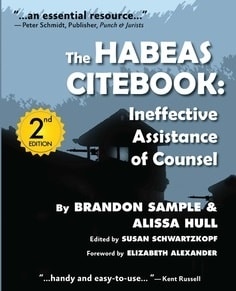
Paperback, 275 pages. Written by Brandon Sample and Alissa Hull
Prison Legal News Publishing (2016). ISBN 978-0-9819385-4-7
The Habeas Citebook helps people raise ineffective assistance of counsel claims. That is the claim that a defense lawyer's mistakes hurt the case, and it is the most common claim raised after a conviction.
The book sorts federal appeals and district court cases, published and unpublished, into 40 categories. They range from lawyers who failed to investigate a defense to conflicts of interest and bad advice on appeal.
It also includes the full text of key rules, sample briefs, and practical advice on procedure for prisoners preparing a habeas petition or other challenge to a conviction.
Buy The Habeas Citebook from Prison Legal News
Pardons and Commutations of Sentences: The Complete Guidebook to Applying for Clemency
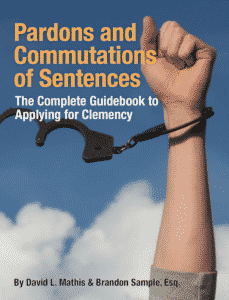
Paperback, 259 pages. Written by David L. Mathis and Brandon Sample, Esq.
Prisology Press (2019). ISBN 978-1797428079
Only the President can grant clemency for a federal crime. A pardon is forgiveness for a conviction and removes many of the legal consequences that follow it. People usually ask for a pardon after they are released. A commutation shortens a sentence that is still being served.
This plain-language guidebook explains how to apply for a federal pardon or commutation: how the process works, what to put in the petition, and answers to common questions about federal clemency.